
Connects: Unlocking Benefits When You Hire the Best Dynamic Web Developer Today
A slow site quietly burns revenue, and the fix is rarely "just redesign it." Connects is the word that explains what you actually need: a developer who connects product goals to real users, connects APIs to reliable data, and connects performance to conversions. If you're hiring a dynamic web developer today, your best outcome is a web app that loads fast, handles real traffic, and moves visitors toward action without friction.
The catch is that many candidates can ship pages, but fewer can ship systems that keep working after launch. Dynamic web apps involve state, authentication, databases, third-party integrations, and business logic that has to be maintained. This article breaks down what "best" means in 2026, what benefits you can unlock, and how to pick a developer who connects the dots between design, engineering, and measurable business value.
Connects Business Goals to Real Product Outcomes
Hiring a dynamic web developer isn't about adding "interactivity" for its own sake. The strongest developers start by mapping your business goals to a few clear user journeys, then building the technical foundation to support them. That's the real value: the developer connects what you sell to what users need to do, and eliminates steps that cause drop-offs.
If you're selling services, a dynamic site can personalize content, qualify leads, and route them into your CRM automatically. If you're selling products, it can optimize catalog browsing, improve search relevance, and streamline checkout. A good developer doesn't just implement features, they choose the right features and sequence them so you get ROI sooner.
Here are common "goal to build" connections that show up in successful projects:
- Increase qualified leads by building multi-step forms with validation, conditional logic, and analytics events
- Reduce support tickets by adding user accounts, order status dashboards, and self-serve knowledge flows
- Improve conversion rate by optimizing page speed, reducing layout shift, and removing unnecessary scripts
- Scale operations by integrating billing, scheduling, and inventory via APIs instead of manual admin work
- Improve retention by adding notifications, saved states, and personalized recommendations
A dynamic web developer who connects goals to outcomes will also insist on defining success metrics early. That might be a 20 percent faster time-to-interactive, a lower bounce rate on key landing pages, or a measurable lift in demo requests. If you don't define the metric, you can't prove the value.
Connects Front End, Back End, and Performance Without Fragility
Dynamic web development is where many projects fail, not because the idea was wrong, but because the implementation becomes fragile. The best developer treats your app like a system: UI, API, database, and infrastructure must all support each other. That's the "Connects" advantage, the ability to connect layers cleanly so updates don't break everything.

Modern performance expectations are unforgiving. Google's Core Web Vitals still shape user experience and SEO outcomes, and they're tied to real behaviors like page abandonment. Google documents how metrics like LCP and INP relate to perceived speed and responsiveness, and those metrics are increasingly tied to user satisfaction signals in search results Google Search Central.
A strong dynamic web developer will build for speed and stability from day one. That includes caching strategies, efficient queries, pagination, debounced inputs, and predictable state management. It also includes careful choices about rendering, code splitting, and image optimization.
Look for these technical "connection points" in their approach:
- Clean API contracts (REST or GraphQL) with consistent error handling and versioning
- Secure authentication and authorization with role-based access where needed
- Database design that matches your access patterns, not just your tables
- Observability basics like logs, alerts, and performance monitoring in production
- SEO-friendly rendering patterns for public pages, plus robust routing for app pages
After the first release, reliability matters more than novelty. Ask how they handle migrations, feature flags, and rollbacks. A developer who connects engineering to operations will talk about staging environments, automated tests, and deployment pipelines. That's not "extra," it's how you protect revenue when your app becomes business-critical.
If you want a practical overview of what a client-ready build looks like, this pairs well with Dynamic Web Application Development for Clients.
Compare Hiring Options: Freelance, Agency, or Portfolio Developer
Choosing who to hire is a comparison problem. You're weighing cost, speed, ownership, and long-term support. The best decision depends on how complex your dynamic features are and how quickly you need them delivered.
Freelancers can be fast and flexible, especially for well-defined scopes. Agencies can offer breadth, like design, QA, and project management, but may add overhead and process friction. Hiring a developer through a personal portfolio site can be a strong middle ground when that developer demonstrates end-to-end capability and communicates clearly.
Here's a clear comparison of what you typically get:
- Freelancer: lower overhead, direct communication, variable documentation and process maturity
- Agency: multi-disciplinary team, stronger capacity for parallel work, higher cost and potential handoff gaps
- Portfolio developer: accountable owner-operator, often strong craftsmanship, limited bandwidth if scope balloons
The best dynamic web developer for your project is the one who connects delivery style to your risk tolerance. If your timeline is tight and you need measurable results, prioritize clear milestones and visible progress. If your app handles payments or sensitive data, prioritize security practices and operational maturity.
Use interviews to test for real experience. Ask for examples of systems they've maintained over time, not just launched. Ask what broke, how they diagnosed it, and what they changed. Those stories reveal whether they can connect cause to effect under pressure.
For a client's perspective on evaluating a developer's work, it helps to understand what great presentation looks like. See Connects: How to Showcase Dynamic Web Applications to Attract Clients for the signals that separate demos from dependable builds.
What "Best" Means in 2026: Skills, Signals, and Proof
In 2026, "best" is less about collecting frameworks and more about mastering trade-offs. The developer who connects tools to outcomes will choose the simplest stack that still meets your requirements. They'll justify decisions with constraints like traffic, content needs, security, and team size.

Your evaluation should focus on proof. Portfolios matter, but so does evidence of production-grade thinking. GitHub can help, but many great projects are private, so you need to ask for architecture explanations, anonymized diagrams, or walkthroughs.
A practical hiring checklist for 2026 looks like this:
- They can explain system design clearly, including data flow and failure modes
- They use performance budgets and measure results, not guess
- They prioritize accessibility basics and test keyboard navigation and contrast
- They know common security risks like XSS, CSRF, and injection, and how to prevent them
- They communicate scope, assumptions, and trade-offs in writing
Security deserves special attention for dynamic apps because they handle user input and often store personal data. The OWASP Top 10 remains a strong baseline for common web risks and mitigations OWASP. A best-in-class developer won't treat security as a plugin or a checklist item at the end. They'll connect security to architecture, like sanitizing inputs, using parameterized queries, setting proper headers, and locking down auth flows.
For credibility and "freshness," note the market reality: web performance and experience expectations continue rising because users compare your site to the fastest apps they use daily. As of 2025, Google continues to emphasize measurable page experience signals through its documentation and tooling, reinforcing that performance work is ongoing, not a one-time task Google Search Central.
A Simple Process That Connects Hiring to Results
If you want a dynamic web developer who delivers, your hiring process needs structure. A vague brief leads to vague estimates and chaotic builds. A clear brief creates alignment and makes it easier to compare candidates fairly.
Start with a short written scope that outlines the problem, the users, the core workflows, and the success metrics. Then ask candidates to propose an approach with milestones. You're looking for someone who connects requirements to a delivery plan that you can track.
Use this step-by-step framework to reduce risk:
- Define your top 2-3 user journeys (example: book a consultation, create an account, pay an invoice)
- List required integrations (CRM, email, payments, scheduling, analytics) and who owns credentials
- Identify content ownership (who writes, who edits, how updates happen)
- Set performance and SEO expectations for public pages (speed targets, structured data needs)
- Ask for a milestone plan that includes build, testing, launch, and post-launch support
- Run a paid discovery or small pilot feature to validate fit before committing to a full build
After that list, keep the conversation grounded in examples. Ask them to describe how they'll handle errors, retries, and downtime for third-party APIs. Ask how they'll prevent regressions after updates. The best developer connects delivery to maintenance, and that's where long-term value lives.
Finally, discuss ownership. You should own the domain, repos, hosting accounts, and third-party accounts. A trustworthy developer will recommend clean handoff documentation and clear access control, not lock-in.
FAQ
What Does "Connects" Mean in Dynamic Web Development?
Connects refers to the developer's ability to link business goals, user experience, and technical architecture into one coherent system. A dynamic web app touches many moving parts, including front end UI, back end logic, databases, APIs, and deployment. If those parts aren't connected cleanly, you get slow pages, broken flows, and expensive rewrites.
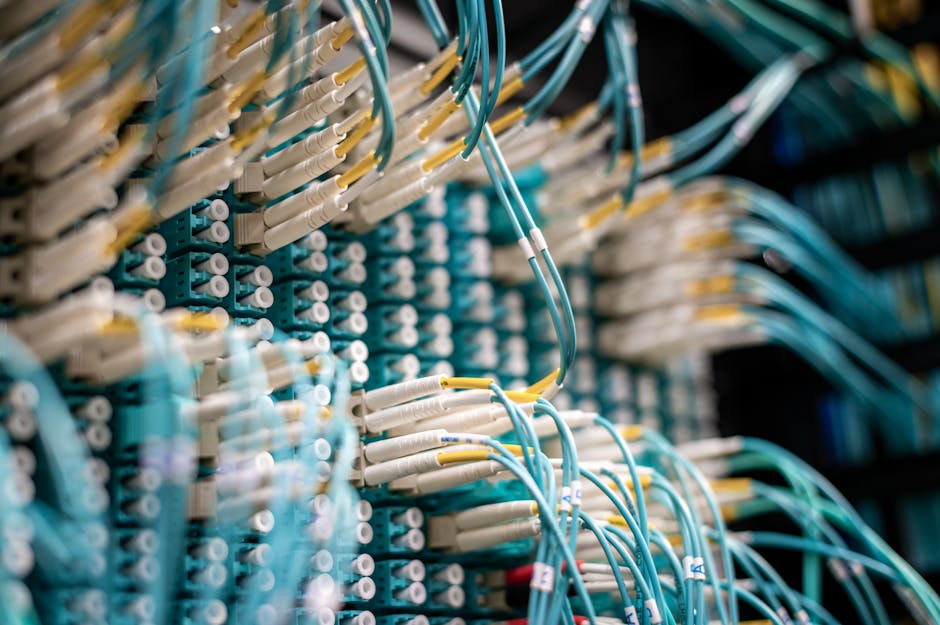
A developer who connects these pieces will talk about data flow, performance budgets, security boundaries, and how changes will be tested and released. That's the difference between a site that looks good in a demo and one that keeps generating leads after six months of real use.
How Much Should I Budget to Hire a Dynamic Web Developer?
Budgets vary widely based on complexity, integrations, and timeline. A simple dynamic site with basic forms and CMS-driven pages might cost a few thousand dollars, while a full web application with authentication, roles, payments, and dashboards can easily reach five figures. The best way to budget is to connect costs to milestones, so you can validate value at each stage.
Ask for a breakdown that separates discovery, design support (if included), core build, integrations, testing, and post-launch maintenance. You'll get more predictable outcomes when scope is explicit and success metrics are measurable.
What Should I Ask in an Interview to Find the Best Developer?
Ask questions that reveal system thinking. Request an explanation of a past project's architecture, what went wrong in production, and how they fixed it. Ask how they measure performance, how they secure user input, and how they handle deployments and rollbacks.
Also ask how they communicate. A developer who connects technical details to plain-language explanations will be easier to work with, and you'll make faster decisions during the build.
Do I Need an Agency If I Only Want One Web App?
Not necessarily. Agencies can be great if you need parallel workstreams like branding, UX research, QA, and content production under one roof. If your app scope is focused and you want direct accountability, a strong portfolio developer can deliver excellent results with less overhead.
The key is fit. Choose the option that connects your timeline, risk level, and budget to the delivery model that will actually finish the project with quality.
How Do I Know the App Will Be Maintainable After Launch?
Maintainability shows up in documentation, tests, and clean architecture. Ask what testing strategy they use, how configuration is managed, and how environments are separated (development, staging, production). Ask what monitoring is in place and what happens if an integration fails.
A good sign is a clear post-launch plan. That includes bug fix windows, update schedules, and a process for adding features without breaking existing workflows.
Conclusion: Connects Your Idea to a Working, Growing Product
Dynamic web development is where business strategy meets real engineering. The "best" developer isn't the one who names the most tools, it's the one who Connects your goals to a build you can measure, maintain, and scale.
If you want a site or web app that generates leads, automates operations, and performs like a modern product, start by tightening your scope and success metrics. Then hire the developer who can explain trade-offs, show proof of reliable delivery, and commit to post-launch stability.
If you're ready to turn a concept into a dynamic system that customers can actually use, review your must-have workflows, gather your integration details, and reach out through https://christophermorta.com to start a focused discovery call.