
Connects the Dots: Hiring a Software Engineer for Dynamic Web Development Benefits
A static site fails in a very specific way: it looks finished, but it doesn't connect to the work you actually need it to do.
That gap shows up the moment you add "just one" feature, a client portal, a lead form that routes to the right inbox, pricing that changes by selection, a dashboard, a booking flow, or anything that depends on user input and data. This is where hiring a software engineer starts paying for itself, because dynamic web development is less about pages and more about systems that behave correctly under real use.
Below is a practical, engineering-first look at the key benefits of dynamic web development, when to hire, what you're really buying, and the trade-offs that matter if you're spending money on a build.
Connects Your Website to Real Work (Not Just Content)
Dynamic web development is the difference between "here's information" and "here's a workflow." A dynamic site can accept inputs, store data, personalize experiences, and integrate with the tools you already run your business on.
Hiring a software engineer helps because the hard part isn't the UI, it's making sure the system remains reliable as features stack up. A form that sends an email is easy. A form that validates inputs, prevents spam, stores submissions, triggers automations, and handles edge cases without losing leads is engineering work.
Here are benefits clients typically care about, framed as outcomes instead of buzzwords:
- Fewer dropped leads: submissions don't disappear due to misconfigured email, broken validation, or bot traffic.
- Faster sales cycles: dynamic pages can qualify, route, and schedule without manual back-and-forth.
- Better decisions: you can track events that actually matter (not just page views) and tie them to outcomes.
- A site that evolves: dynamic architecture supports adding features without rebuilding everything.
The non-obvious benefit is that a good engineer doesn't just build features, they reduce the cost of future change. That shows up in clear boundaries between the front end, back end, database, and integrations, so updates don't create surprise breakage.
Transitioning from a content-first site to a system-first site is often the moment a portfolio stops being "nice" and starts generating work. If you're positioning your services around dynamic builds, see How to Create a Personal Portfolio Site That Attracts Dynamic Clients for how to present that shift.
A Worked Example: Turning a Portfolio Into a Dynamic Lead Engine
Scenario: you have a portfolio site that gets traffic from referrals and a couple of posts. People email you, but most messages are vague, some are spam, and follow-up takes too long. You want a flow that gathers the right details up front and routes serious inquiries into a pipeline.
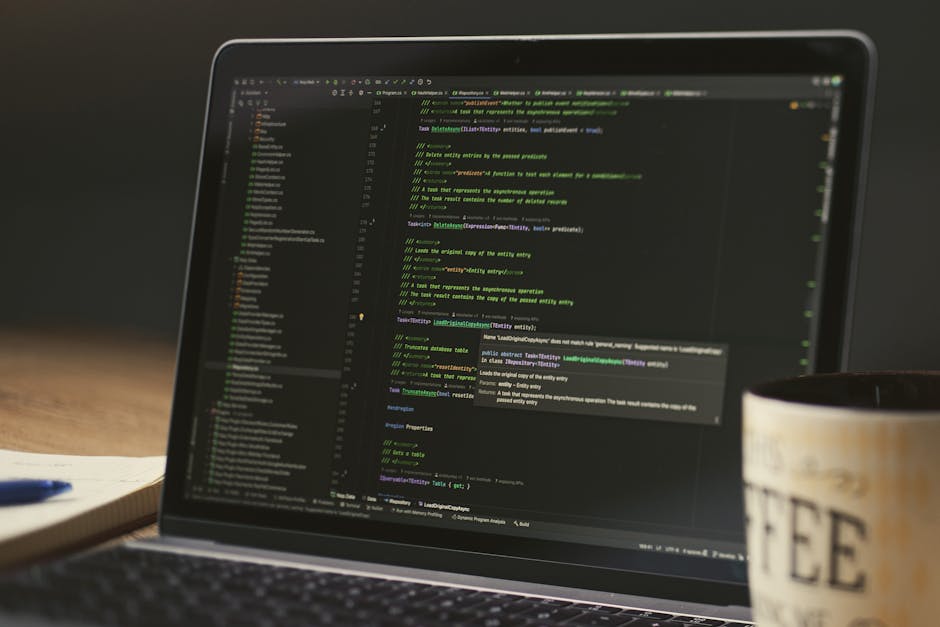
A dynamic web development approach might look like this:
- Intake form with conditional logic
- Server-side validation and spam protection
- Persistence and notifications
- Pipeline integration
- Analytics that reflect intent
This is the part most people miss: the "contact form" becomes a mini-application. It connects to your operational workflow, it enforces data quality, and it creates a consistent process you can refine.
Hiring a software engineer here isn't about writing code for code's sake. It's about designing the flow so you can trust it. The build quality shows up months later when you tweak fields, add a second service line, or change your process without breaking the intake.
Hiring vs Diy: a Decision Framework That Avoids Regret
A lot of teams hire too early for the wrong reason (they want a prettier site), or too late for the right reason (their process is already messy and they're trying to automate chaos). Use this framework to decide.

Choose DIY (or a No-Code Tool) If
DIY is reasonable if you mainly need published content and a small number of low-risk interactions.
- Your site is mostly informational (services, about, case studies).
- A simple form email is "good enough," and losing a message occasionally is not catastrophic.
- You don't need user accounts, payments, role-based access, or custom data models.
- Your team can accept tool limitations and keep the workflow inside the tool.
The trade-off: no-code can be fast, but complexity taxes you later. The moment you need custom logic, serious data validation, or multi-step flows, you can end up bending tools into shapes they weren't built for.
Hire a Software Engineer If
Hiring pays off when the website becomes part of the product, the pipeline, or the business process.
- You need a multi-step flow (intake, quote, onboarding, booking) that must be reliable.
- You care about data integrity (clean records, deduping, auditability).
- You need integrations (CRM, email automation, payments, calendar, internal tools).
- You expect the feature set to grow and you don't want rewrites.
- You have performance, accessibility, or SEO requirements that are hard to satisfy with templates.
The key benefit here is not "more features." It's fewer hidden failure modes. Engineers think in terms of edge cases: what happens if the email provider is down, if someone double-submits, if the form is half-filled on mobile and resumed later, if a bot tries to brute force endpoints.
If your goal is to land better-fit work through the site, not just traffic, it helps to align the build with how clients decide. The article How to Attract Clients for Software Development with a Portfolio That Sells Dynamic Web Projects goes deeper on positioning a dynamic portfolio around outcomes.
What You're Actually Buying When You Hire
"Hiring a software engineer" sounds like you're paying for code. Practically, you're paying for decisions that reduce risk and increase leverage.
Here's what we focus on in dynamic web application work because it affects outcomes the most:
- Architecture that won't paint you into a corner
- Security basics that are easy to skip
- Performance and reliability
- Maintainability
- Deployment and operational readiness
A useful way to think about it: dynamic web development is a product. Your website is no longer "a set of pages," it's software that needs to behave correctly.
The Hidden Trade-Offs of Dynamic Features (and How to Handle Them)
Dynamic functionality has real costs. Ignoring them leads to the classic situation where a site "works" but becomes fragile.
More Moving Parts Means More Failure Modes
Databases, background jobs, integrations, and authentication introduce places things can break.
The mitigation is designing for failure from day one:
- Store critical submissions in a database, not only in email.
- Add retries and dead-letter patterns for integrations that can fail.
- Make error states user-friendly so people can recover instead of abandoning.
You'll Need Ongoing Ownership
Dynamic sites need updates for dependencies, security patches, and changing APIs.
A good hiring outcome includes clarity on:
- Who maintains the code after launch.
- How changes are requested and shipped.
- What "done" means for documentation and handoff.
Overbuilding Is Real
It's easy to build a custom system for a problem that doesn't exist yet.
We typically keep scope honest by splitting work into:
- The smallest dynamic core that produces value (for example, intake plus routing).
- The next layer that reduces manual work (admin view, tagging, notes).
- Optimization once usage shows where the bottleneck is (analytics events, A/B changes, performance).
This staged approach keeps the benefits while protecting budget and timeline.
How to Evaluate an Engineer for Dynamic Web Development
Portfolios and resumes don't always reveal whether someone can ship a reliable dynamic system. The signal is in how they think.
Look for these traits in conversations and proposals:
- They ask about your workflow, not just your pages.
- They identify data and edge cases early (validation, spam, deduping, retries).
- They can explain trade-offs in plain language (custom build vs tool, speed vs flexibility).
- They propose a phased plan with a clear "first release" that delivers value.
- They talk about maintenance and handoff, not only launch day.
On our side, we approach dynamic web application work as product engineering. The goal is a site that connects to how you run your business and stays easy to evolve as your services change.
If you're considering hiring a software engineer for a dynamic build, the fastest next step is to outline the workflow you want (intake, onboarding, portal, payments, dashboards) and the tools you already use. That gives us enough to recommend a build path that's lean, reliable, and expandable.